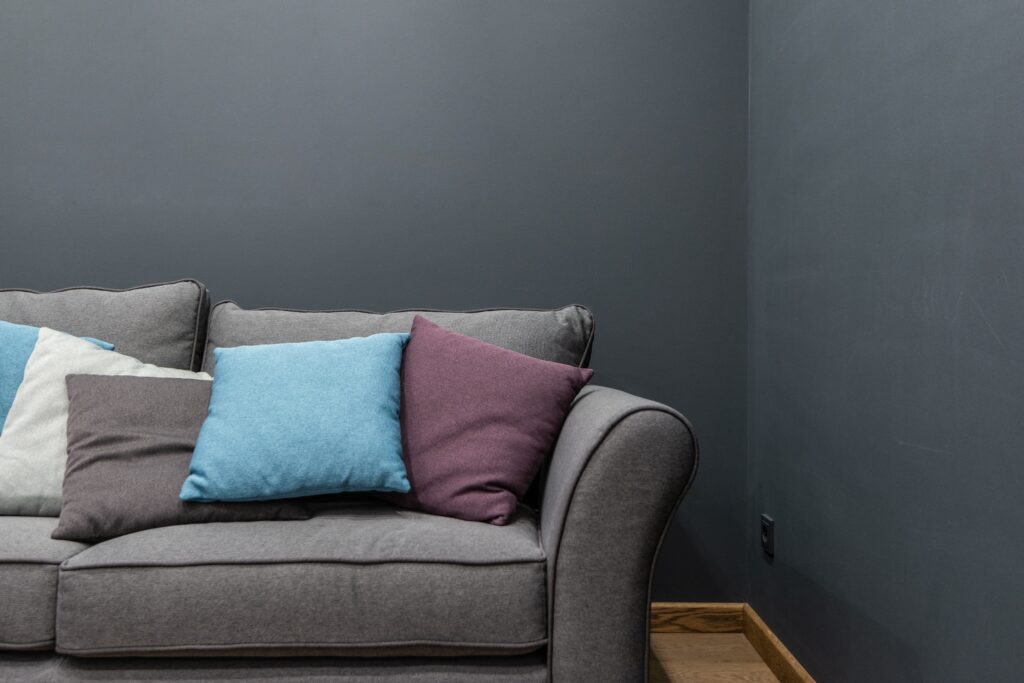
Yes, a sofa can stay in a long-term storage unit for months or longer if it is prepared carefully. The biggest risks are usually avoidable: storing it while damp, allowing heavy items to press into the upholstery or packing it so tightly that it cannot be checked. Good preparation matters more than choosing an arbitrary maximum storage period. Sofa storage long term is useful during house moves, renovations, downsizing or periods when furniture will not comfortably fit at home. The aim is to put the sofa away clean, dry, protected, and in a stable position, so it is ready to be used again later.
Can a Sofa Stay in Storage Long-Term?
There is no universal time limit for storing sofas in storage units. Top Box’s renovation storage page says there is no minimum or maximum rental period, so customers can keep belongings stored for the period they need. The condition of the sofa matters more than the calendar. A well-prepared sofa can cope much better with an extended stay than one that is put away dirty, damp or under constant pressure from other belongings.
How to Prepare a Sofa for Long-Term Storage
Clean and Dry the Sofa First
Learning how to store a sofa properly starts with cleaning. Vacuum under cushions, along seams and around the back, and follow the manufacturer’s guidance for fabric, leather or specialist upholstery. If you use an upholstery cleaner, allow enough time for the sofa and padding to dry fully.

- Vacuum crumbs, dust and pet hair from the upholstery and underneath loose cushions.
- Use cleaning products that are suitable for the sofa material.
- Wash removable covers only according to their care instructions.
- Never cover or store the sofa while the upholstery is still damp.
Use a Suitable Cover
A clean furniture cover or moving blanket can protect upholstery from dust and accidental marks. Be cautious about sealing upholstered furniture tightly in non-breathable plastic for a long period, especially if there is any chance that moisture remains inside. Top Box’s guide to storing furniture safely during renovation also recommends cleaning furniture, making sure it is dry and protecting it before storage. Corners, exposed wooden areas and decorative trim may need extra padding during the move.
Position the Sofa Safely
Storing upholstered furniture for a long time is not only about covering it. The sofa needs to sit securely without unstable boxes leaning against it or heavy items resting on the cushions and arms.
- Remove loose cushions and detachable legs if the sofa is designed for this.
- Keep screws and fittings together in a clearly labelled bag.
- Avoid stacking heavy boxes or appliances on the seat cushions.
- Store the sofa in its normal position unless the manufacturer recommends another method.
- Leave enough space so nearby furniture cannot rub against or press into the upholstery.
Choose Enough Storage Space

A sofa can use more floor space than expected, particularly when it is stored alongside beds, tables, appliances, and boxes. Measure the sofa before booking and think about whether you need a walkway to reach it later. The Top Box Size Guide can help you compare available container sizes and typical household contents. Choosing a slightly more practical layout is often better than forcing furniture into an overcrowded unit.
When Long-Term Sofa Storage Is Useful
Furniture storage for a sofa can solve several temporary space problems. It is especially useful when the furniture still has value or a future purpose but does not need to stay in the home right now.
- During a house move when completion dates do not line up – see Moving House Storage.
- During renovations when dust, tools and decorating work could damage upholstery – see Renovation Storage.
- While downsizing or decluttering before making a final decision about furniture – see Decluttering Storage.
Check the Sofa During Longer Storage
If the sofa is in storage for many months, occasional checks are sensible. Make sure the cover is still in place; nothing has fallen against the sofa, and the cushions are not being compressed by other belongings. Top Box provides 24/7 access to its Livingston facility, so customers can visit their unit when required. Keeping the sofa accessible also makes it easier to collect before the rest of the stored items if plans change.
Common Sofa Storage Mistakes
Storing the Sofa While Damp
Moisture trapped in upholstery or cushioning can create problems over a long storage period, so let the sofa dry completely first.
Using the Wrong Cover
A clean furniture cover or breathable protection is generally more suitable than sealing damp or upholstered furniture tightly in unsuitable plastic.
Putting Heavy Items on the Sofa
Heavy boxes can compress cushions and leave marks on arms or upholstery, especially when the pressure remains for months.
Storing the Sofa in an Unsafe Position
Keep the sofa in a stable position that suits its construction rather than balancing it upright simply to save floor space.
Overpacking the Storage Unit
Leave enough room around the sofa, so boxes, furniture and sharp edges are not forced against the fabric or frame.
Need Long-Term Storage for Your Sofa?
If you need space for a sofa during a house move, renovation or a longer period away from home, choosing the right storage size can make the whole process much easier. A suitable unit gives you enough room to position the sofa safely without forcing other boxes or furniture against the upholstery. You can also leave extra space for other household belongings if your storage needs change over time. For help choosing the right option, contact Top Box Self Storage to discuss the most suitable container size for your furniture.