Choosing between self-storage vs container storage is easier once you understand what the two terms mean. Self-storage describes the service: you rent a dedicated space and manage your own belongings, while container storage describes the type of unit being used. Because of that, container-based units can also operate as self-storage.
For customers comparing storage around Livingston, West Lothian and Edinburgh, the decision often comes down to access, loading, unit layout and the type of belongings being stored. Top Box uses outdoor steel containers as its self-storage units, combining a container format with customer-controlled access. The right choice depends on what you need to store and how you plan to use the space.
What Is the Difference Between Self Storage and Container Storage?
Self-Storage
Self-storage is a broad term for renting storage space that you can access yourself. Traditional facilities may use indoor rooms or units reached through corridors, lifts, or shared loading areas. Other facilities use containers instead, so the term does not automatically tell you what the physical unit looks like.

Container Storage
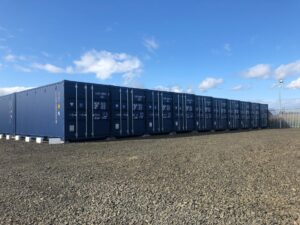
Container storage normally uses steel containers positioned in a secure storage site. When people compare container storage vs self-storage UK, they are often really comparing outdoor container-based units with traditional indoor self-storage rooms. Top Box explains more about its container-based setup in its guide to how self storage works.
Container Storage Pros and Cons
Advantages of Container Storage
Container units can be especially practical when you are storing bulky household items, stock, or equipment. Drive-up access can remove the need to carry furniture and boxes through long corridors, while a simple rectangular layout can make the full floor area easy to plan.
- Drive-up loading can make furniture, tools and heavy boxes easier to move.
- Ground-level access can be useful for businesses that visit stock or equipment regularly.
- Steel containers provide a straightforward space that can be organised with shelving, pallets and labelled boxes.
- Flexible rental arrangements can suit moves, renovations, seasonal stock and changing business needs
For people researching shipping container storage UK options, it is worth checking the condition, ventilation and security of the actual units rather than assuming every container facility is the same. Top Box states that its containers are new Corten steel units with fitted ventilation, and its site offers drive-up access and monitored security.
Possible Drawbacks of Container Storage
As with any storage option, proper packing helps keep belongings in excellent condition. Furniture, fabrics, paperwork, and appliances should be stored clean and dry, with suitable protective covers where needed. Container storage offers a practical, secure, and convenient solution for a wide range of items, although unit sizes may be less varied compared to traditional indoor storage facilities.
Traditional Indoor Self Storage: Pros and Cons
Advantages of Indoor Units
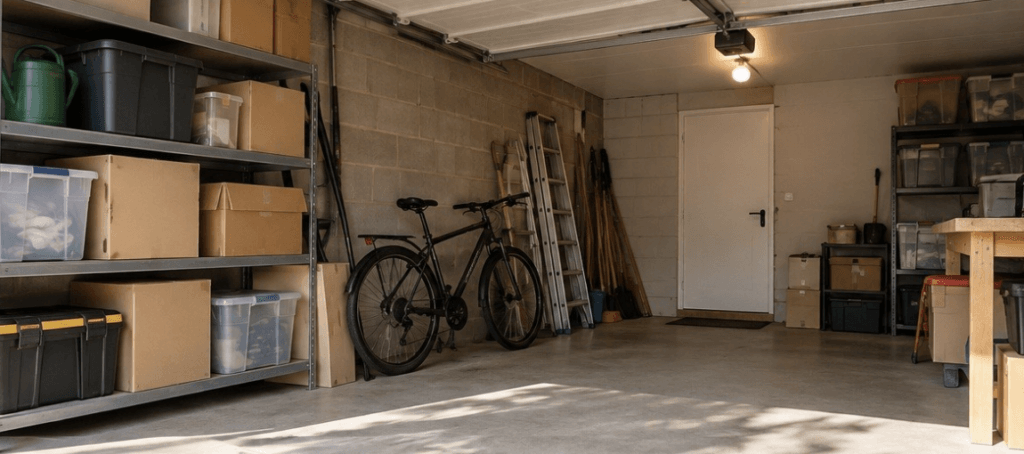
Indoor self-storage can suit people who prefer a building-based facility or need a wider choice of smaller room sizes. Covered internal access may also be convenient in poor weather once belongings are inside the building. Some customers simply prefer having their unit within a larger enclosed facility.
Possible Drawbacks of Indoor Units
The main inconvenience can be the route between the vehicle and the unit. Depending on the facility, you may need to use trolleys, corridors, stairs or lifts, which can add time when moving bulky furniture or frequent business stock. Access arrangements and opening hours also vary between operators, so these should be checked before booking. Cost is also a factor when equivalent sizing is compared with that of container storage; it usually costs more.
Mobile Storage vs Self Storage

The search for mobile storage vs self-storage introduces a third option. Mobile storage generally means a container or pod is delivered to a property for loading and then moved or stored by the provider, whereas standard self-storage normally requires you to take belongings to a fixed facility. The two services can therefore suit different situations.
- Mobile storage may reduce repeated transport when most belongings are being loaded at once. But access may then be restricted afterwards.
- Fixed-site self-storage can be more practical when you want to visit the unit regularly.
- Drive-up container self-storage offers a middle ground: the unit stays at the facility, but you can park directly beside it.
- Always check collection, access and transport arrangements before choosing a mobile service.
What to Look for in Outdoor Storage Containers UK
When comparing outdoor storage containers for UK customers, the container itself is only part of the decision. The wider site, security arrangements, and access rules are just as important. A convenient unit is less useful if loading is awkward, or you cannot get to your belongings when you need them.
Check the Unit and Site
- Look for clean, well-maintained units that are designed to keep outside weather away from stored belongings.
- Ask about ventilation and follow the provider’s guidance on keeping items dry before storage.
- Check CCTV, perimeter security, gate access and who supplies the padlock.
- Confirm whether you can drive directly to the unit and what access hours apply.
Top Box also has a useful outdoor container storage versus internal storage guide covering practical differences between the two formats.
Which Storage Option Is Better for You?
For Household Storage
Container storage can work well for furniture, boxes, appliances, sports equipment and other bulky belongings during a move or renovation. If you are unsure how much room you need, the Top Box Size Guide shows its 80 sq ft and 160 sq ft container options and examples of what may fit inside.
For Business Storage
Businesses may value direct vehicle access when storing stock, tools, equipment, or documents that need to be moved regularly. The simple container layout can also make it easier to create zones for different inventory or supplies. Top Box’s Business Storage page covers options for stock, equipment and other commercial requirements.
Self-Storage vs Container Storage: Which Should You Choose?
There is no single winner in self-storage vs container storage. Traditional indoor self-storage can suit customers who prefer an enclosed building and a broader range of room-style units, while container storage is particularly convenient for drive-up loading, bulky items and straightforward access. In practice, the quality of the facility and the way you need to use the space matter more than the label.
The best approach is to compare unit size, access, security, cost, rental flexibility, and the distance from your home or business. For Top Box customers, container storage is the self-storage format offered, so you get a dedicated container unit within a managed storage site rather than choosing between two separate Top Box services.
Need Help Choosing the Right Storage?
If you are deciding between different storage formats for a home move, renovation, business stock or general extra space, think about how much you need to store and how often you will need access. A unit that is simple to load and large enough to keep belongings organised can make storage much easier over time. To discuss the most suitable container size and availability near Livingston and Edinburgh, contact Top Box Self Storage today.