There is no single time limit for furniture storage. Furniture can be kept in storage for a few weeks, several months or considerably longer, provided it is prepared carefully and stored appropriately. People use storage for many different reasons. You may be between homes, renovating a property, downsizing or simply trying to create more room. In some cases, you know exactly when the furniture will come out again. In others, the storage period may be open-ended.
The longer furniture remains stored, the more important preparation becomes. Cleaning items thoroughly, allowing them to dry, dismantling larger pieces where practical and protecting surfaces can all help furniture remain in better condition. For customers around Livingston, West Lothian and Edinburgh, flexible storage can provide somewhere to keep furniture for either a short period or longer-term requirements.
How Long Can Furniture Stay in Storage?
If you are wondering how long furniture can stay in storage, the simple answer is that there is not necessarily a fixed time limit. Well-prepared furniture can remain stored for months or longer. The appropriate length of time depends more on the furniture, how it has been packed and the storage conditions rather than on a specific amount of time.
A sofa being stored for six weeks during a renovation requires many of the same preparations as one being stored for a year. However, the longer furniture remains untouched, the more important it becomes to make sure it went into storage clean and dry in the first place. Top Box Self Storage offers flexible rental periods for personal belongings.
Its Storage Units During Renovation page explains that there is no minimum or maximum rental period, allowing customers to store belongings for as long as required. This can be helpful when the end date is uncertain, such as during property renovations or complicated house moves.
Short-Term vs Long-Term Furniture Storage
Not every furniture storage requirement is the same. Short-term storage may last several weeks or a few months. It is commonly used during house moves, decorating projects, property staging or when staying in temporary accommodation. Longer storage may be needed when downsizing, working away from home, waiting for a property to become available or keeping furniture that may be needed again in the future.

With long term furniture storage, preparation becomes particularly important because items may remain in the same position for an extended period. A piece of furniture placed into storage while slightly damp, dirty or poorly covered may develop problems over time. Taking a little longer to prepare everything properly before moving it into the unit can therefore be worthwhile.
Top Box’s Personal Storage options are designed for belongings including furniture, boxes and seasonal items, with flexible rental periods depending on how long the extra space is needed.
Clean Furniture Before Storage
One of the most important steps before storing furniture is cleaning it. Dust, dirt, crumbs and other residue can become more difficult to remove after sitting untouched for months. Upholstered furniture should also be checked carefully before storage so that food crumbs or other debris are not hidden between cushions. Different furniture materials require different cleaning methods. Wooden furniture should be cleaned using products suitable for the finish.
Upholstery can be vacuumed thoroughly, while glass and metal surfaces should be wiped clean. The most important part comes afterwards: allow everything to dry fully. Furniture should never be packed away while damp. Moisture trapped under covers, inside cushions or around furniture joints can create problems during extended storage. If you are leaving furniture in storage long term, allow plenty of time between cleaning and moving day so every item is completely dry before it is covered.
Dismantle Larger Furniture Where Possible
Large pieces of furniture can take up significant amounts of storage space. Beds, dining tables, desks and modular shelving can often be partly dismantled to make them easier to move and store. Removing table legs, separating bed frames or taking apart suitable shelving can reduce wasted space and make it easier to arrange other belongings around them. Keep screws, bolts and other small fittings together in clearly labelled bags.
These can be attached securely to the relevant furniture or kept together in a dedicated box. Taking photographs before dismantling complicated furniture can also make reassembly easier later. Do not dismantle furniture if doing so risks damage. Some older, fragile or specialist pieces may be better stored intact. For furniture being stored during a move, Moving House Storage provides more information about keeping furniture, appliances, boxes and other household possessions away from the property while moving.
Protect Furniture Surfaces
The best way to store furniture long term involves protecting surfaces without simply wrapping every item as tightly as possible. Furniture covers, clean sheets or suitable moving blankets can help protect surfaces against dust, scratches and contact with other belongings. Corners and edges deserve particular attention because they are easily knocked during loading and unloading.
Glass panels and mirrors should be handled carefully and protected separately. Avoid placing heavy objects against fragile surfaces. Plastic wrapping can be useful for some moving purposes, but completely sealing certain furniture in non-breathable plastic for a long period can trap moisture if an item is not completely dry.
For extended storage, use suitable protective materials for the furniture type and avoid packing items away when there is any remaining moisture. Top Box also has a practical guide on Where to Store Your Furniture Safely During Renovation, which looks specifically at protecting furniture when it needs to be removed from a home.
Protect Upholstered Furniture
Sofas, armchairs and upholstered dining chairs require careful preparation because their fabric and cushioning can hold dust and moisture. Vacuum the furniture thoroughly, including underneath removable cushions and around seams. Make sure every part is completely dry before covering it. Where cushions can be removed, storing them separately may make the furniture easier to move and can prevent unnecessary pressure on them.
Avoid placing heavy boxes directly onto sofa seats or upholstered chairs simply to save floor space. Extended pressure may affect cushioning or leave marks. Upholstered furniture should also be positioned carefully so that sharp furniture edges, tools or other stored belongings cannot press into the fabric. Good long term furniture storage is not just about fitting everything inside the space. It is about arranging furniture so that it remains protected throughout the storage period.
Take Extra Care with Wooden Furniture
Wood can be durable, but it still deserves proper preparation before storage. Clean wooden furniture gently and allow it to dry thoroughly. Depending on the type and finish, suitable furniture care products may also be used before storage. If tables, chairs or wardrobes can be safely dismantled, doing so can reduce pressure on joints and make them easier to position.
Avoid dragging wooden furniture across the floor during loading. Lift pieces where practical, particularly when furniture has delicate legs. Do not stack heavy boxes directly onto polished surfaces. Using protective coverings between items can also reduce the chance of scratches when multiple pieces are positioned close together.
For furniture storage duration UK homeowners should think about the furniture material as well as the rental period. Different materials react differently when left unused, so proper preparation is much more useful than relying on a simple time limit.
Storing Mattresses Properly
Mattresses are another large household item commonly placed into storage. Before moving a mattress, make sure it is clean and completely dry. Using a suitable mattress cover can help keep dust and dirt away during transportation and storage. The manufacturer’s storage guidance should be followed where available, as recommendations can differ between mattress types. Some mattresses are best stored flat rather than standing on one end for extended periods.
Avoid placing heavy furniture or boxes on top of a mattress. The weight may compress the materials or affect its shape, particularly when items remain stacked for a long period. If you are storing a complete bedroom, separating the bed frame into manageable sections can create more space while allowing the mattress to be positioned correctly.
Avoid Overpacking the Storage Space
A tightly packed storage unit may appear efficient, but filling every possible gap can make furniture harder to access. When leaving furniture in storage long term, consider leaving enough room to move safely through the unit if practical. This is particularly useful if you expect to collect certain items before everything else. Frequently needed belongings can be positioned closer to the entrance, while furniture that will remain in storage until the end can go further back.
Try not to balance heavy boxes on unstable furniture or create tall stacks that may shift when another item is removed. Organisation can also make unpacking easier months later because you will know where individual pieces are located. The Top Box Size Guide can help you compare available container sizes and decide how much room you need for furniture and boxes.
Furniture Storage During Renovations
Renovations are one of the most common reasons furniture may need to stay in storage for an uncertain period. A project expected to take four weeks can sometimes take longer if materials are delayed, additional work is discovered or contractors’ schedules change. Keeping furniture away from the work area can help protect it from dust, decorating materials and accidental damage.
It can also create more room for tradespeople to work. The advantage of flexible furniture storage is that you do not necessarily have to predict exactly how long the project will last before moving everything out of the way. Top Box’s Storage Units During Renovation are designed for situations where furniture, appliances and personal possessions need somewhere to stay while home improvement work takes place.
Storing Furniture Between Homes
House-moving timelines do not always line up perfectly. You may leave one home several weeks before another becomes available, move into temporary accommodation while searching for a home or decide to renovate before moving furniture into the new property. In these situations, storage creates somewhere separate for furniture while the move is completed.

Short-term storage might only be needed for a few weeks. A delayed purchase or longer renovation could turn the same requirement into several months. Using flexible storage can therefore be useful when the exact furniture storage duration UK homeowners require, is difficult to predict. Moving House Storage is a useful internal resource, which covers storage for furniture, household items, appliances and boxes during different stages of a move.
Furniture Storage When Decluttering
Long-term storage is not always connected to moving home. Sometimes you simply have furniture that you want to keep but do not currently have room to use. A spare dining table, inherited cabinet, additional chairs or bedroom furniture may have future value even though it is taking up useful space today. Storage can provide a middle option between keeping the furniture in an overcrowded home and getting rid of something you may later want.
The Storage Units for Decluttering page covers both short and long-term storage for belongings people want to retain while creating more space at home. Before placing unused furniture into storage indefinitely, it is still worth reviewing it occasionally. Storage should provide useful space for belongings that have a purpose or value rather than becoming somewhere items are forgotten.
Check Furniture During Long-Term Storage
If furniture is being stored for an extended period, occasional checks can be useful. Look at protective coverings and make sure nothing has shifted or fallen against furniture. If you have moved boxes since the previous visit, check that heavy items are not placing unnecessary pressure on tables, chairs or upholstered furniture. You can also use these visits to review whether everything still needs to remain in storage.
Top Box provides 24/7 access to its storage containers, meaning customers can visit their belongings when required rather than waiting for standard office opening hours. For someone using long term furniture storage, that access can make it easier to inspect items or collect individual belongings whenever necessary.
How Long Is Too Long for Furniture Storage?
There is no universal point at which furniture has been in storage for “too long”. The more useful question is whether the furniture remains properly prepared, protected and worth storing. Furniture can remain stored for an extended period when the storage arrangement continues to meet your needs. This is especially helpful when a temporary storage arrangement gradually becomes permanent. If your circumstances have changed, reorganising the unit can also provide additional room without immediately requiring a larger space.
Choosing Enough Space for Furniture
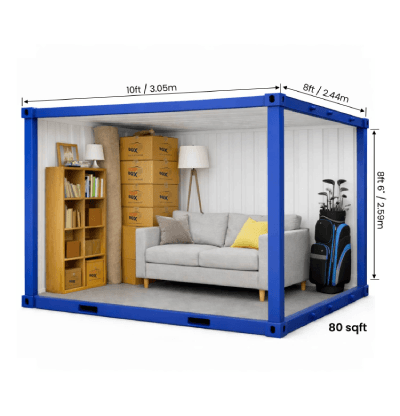
Choosing the correct unit size is particularly important for furniture because large pieces cannot always be stacked efficiently. A unit that looks generous when filled with boxes may become crowded as soon as a sofa, mattress, wardrobe and dining table are added. Measure the main pieces before booking storage. Think about which items can be safely dismantled, what needs to remain accessible and whether you need a walkway in the unit.
Top Box currently offers different container capacities for household storage. It’s Size Guide provides examples of what can fit inside each option and can help when planning furniture storage. Leaving a little spare room may be particularly worthwhile if you expect to add more belongings later.
The Best Way to Store Furniture Long Term
The best way to store furniture long term is to prepare it carefully from the beginning rather than relying on the storage space alone. Furniture should go into storage clean and completely dry. Larger pieces can be dismantled where appropriate, while vulnerable surfaces should be covered and protected. Boxes and other belongings should be arranged so that they are not placing unnecessary weight against furniture.
You should also choose enough storage space to avoid unsafe stacking or damaging items simply to make everything fit. Finally, keep a simple inventory of what is stored. This becomes increasingly useful as months pass, particularly when several pieces of furniture and numerous boxes are stored together. Good preparation makes leaving furniture in storage long term considerably easier to manage and helps ensure belongings are ready for when you eventually need them again.
Flexible Furniture Storage in Livingston
There is no single correct answer to how long furniture should remain in storage. Some customers may need space for only a few weeks during a house move. Others may require long term furniture storage for many months while renovating, between homes, downsizing or deciding what to do with the furniture they still want to keep. What matters is choosing suitable space and preparing the furniture properly before it is stored.
For customers across Livingston, West Lothian and Edinburgh, Top Box Self Storage provides flexible personal storage with drive-up access and the ability to rent for whatever period is required. If you are planning furniture storage and are unsure how much room your belongings will need, comparing unit sizes before moving can make loading and organisation much easier.
Need Somewhere to Store Your Furniture?
Whether your furniture needs to stay in storage for a few weeks, several months or longer, Top Box can help you choose a storage option that suits your belongings and your plans. Compare Storage Sizes to see how much furniture and other household belongings can fit inside the available containers. Or Contact Top Box Self Storage to discuss your furniture storage requirements and request a quote.